Florida Nurse Practitioner Network 2026 Conference Advances Science, Evidence-Based Practice, and the Voice of Advanced Practice Nursing
Florida Coalition 2026
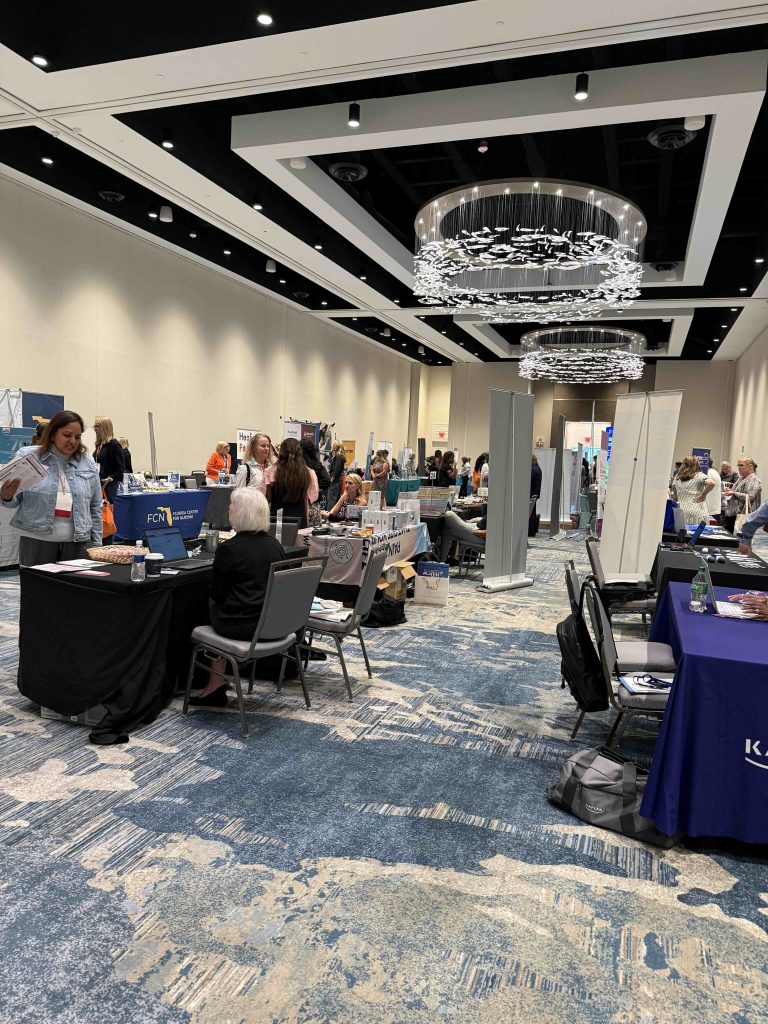
The Florida Nurse Practitioner Network (FNPN) 2026 Conference brought together Advanced Practice Registered Nurses, healthcare leaders, educators, and advocates from across Florida to strengthen clinical knowledge, advance the science of nursing practice, and build connections that support the future of healthcare.
Throughout the conference, educational seminars provided attendees with current, evidence-based information designed to translate emerging science into everyday clinical practice. Presentations addressed the evolving challenges facing advanced practice nurses and reinforced the importance of integrating the best available research, clinical expertise, and patient preferences when making healthcare decisions.
For nurse practitioners, remaining current with rapidly changing evidence is essential to providing safe, high-quality care. Conference sessions offered opportunities for participants to expand their knowledge, evaluate new approaches to diagnosis and treatment, and explore strategies for improving patient outcomes across diverse populations and practice settings. By connecting scientific advances with practical application, the conference supported FNPN’s commitment to preparing advanced practice nurses to deliver the highest standard of evidence-based care.
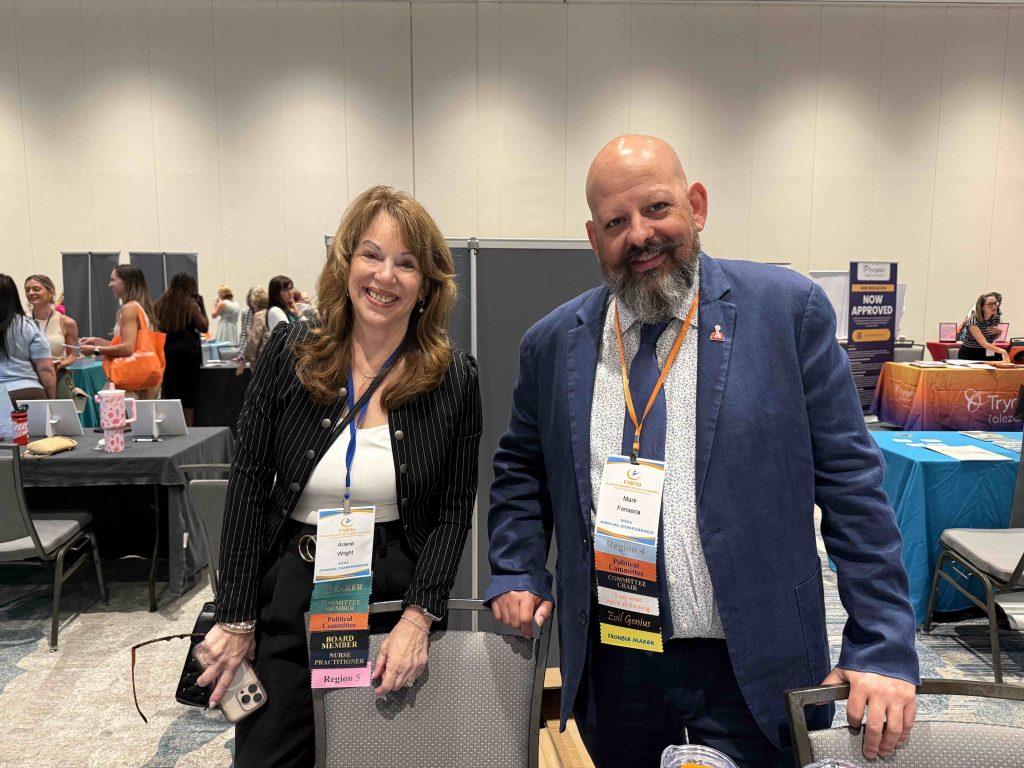
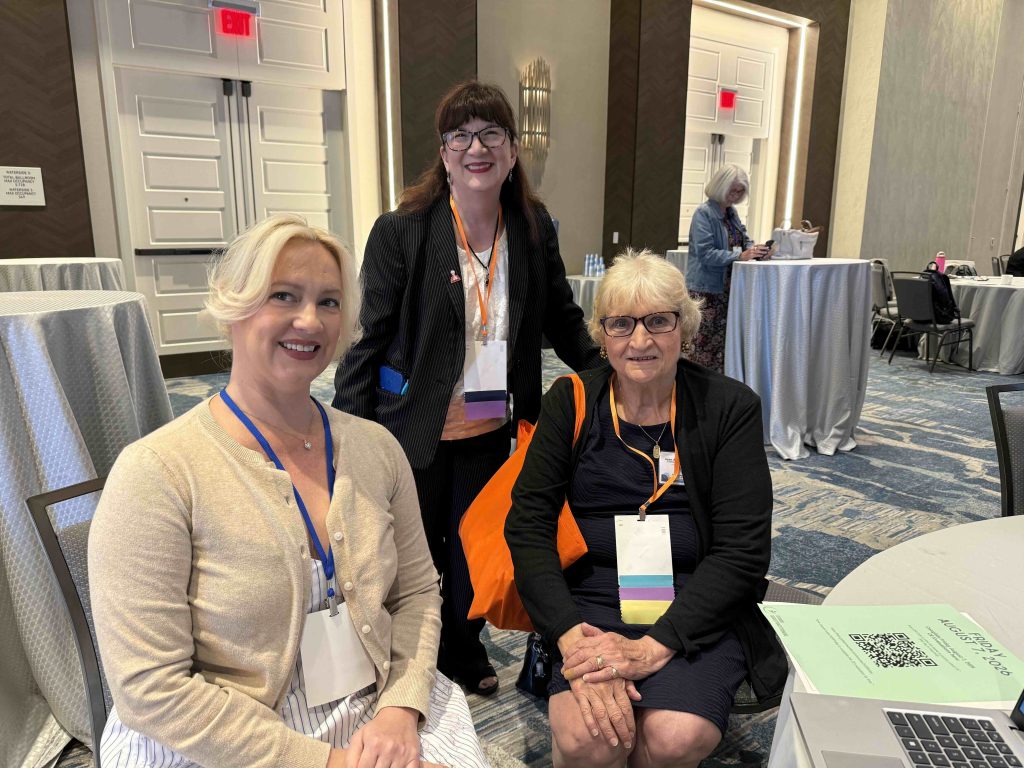
The conference also recognized that advancing healthcare requires more than clinical excellence. Networking opportunities allowed nurse practitioners from throughout Florida to exchange ideas, share experiences, develop professional relationships, and discuss challenges affecting their patients, practices, and communities.
These conversations create an important foundation for collaboration. When advanced practice nurses connect across specialties and geographic regions, they can identify shared priorities and strengthen their collective ability to influence the policies that shape healthcare delivery.
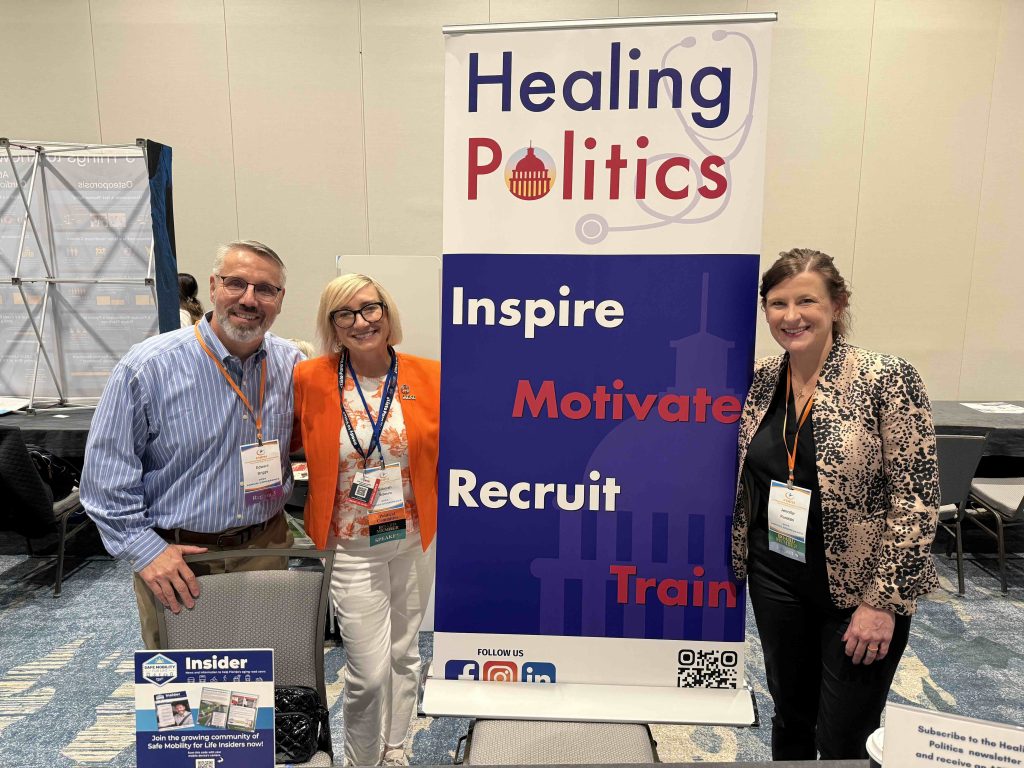
Health policy remains particularly important for nurse practitioners as Florida works to meet growing healthcare needs, address provider shortages, improve access to care, and support healthier communities. By bringing together clinicians, educators, organizational leaders, and advocates, the FNPN 2026 Conference provided a forum for nurses to better understand emerging policy issues and consider how their experience at the bedside and in clinical practice can help guide healthcare decision-making.
Advanced practice nurses bring a unique perspective to health policy because they see firsthand how regulations, reimbursement, workforce policies, public health initiatives, and access barriers affect our patients and our communities. Building relationships among nurse practitioners strengthens the profession’s ability to communicate those experiences to policymakers and advocate for policies grounded in evidence and focused on patient needs.
The 2026 Conference demonstrated the interconnected nature of science, practice, professional collaboration, and advocacy. Evidence informs clinical care. Education prepares clinicians to apply that evidence effectively. Networking builds the relationships needed to exchange knowledge and develop solutions. Advocacy ensures that the expertise of advanced practice nurses is represented when decisions affecting healthcare are made.
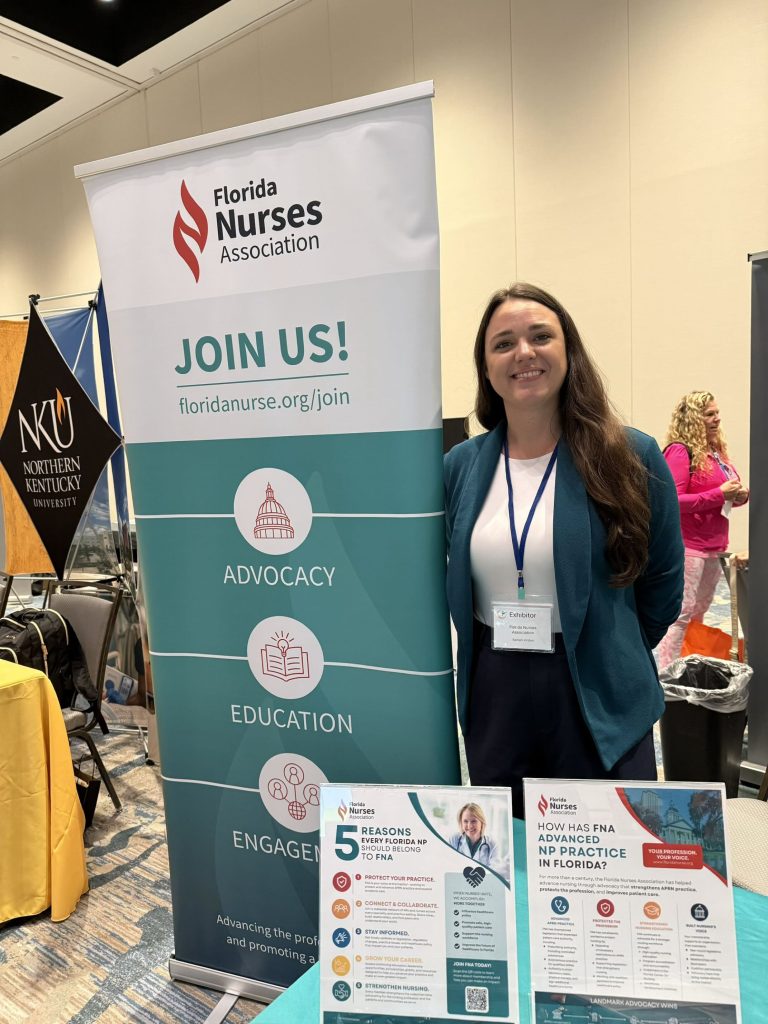
Through continuing education and professional engagement, the Florida Nurse Practitioner Network continues to support nurse practitioners as clinicians, leaders, educators, and advocates. The knowledge gained and relationships strengthened during the 2026 Conference extend beyond the meeting itself, returning with participants to practices and communities throughout Florida.
As healthcare continues to evolve, FNPN remains committed to advancing the science of Advanced Practice nursing, promoting excellence in evidence-based care, strengthening professional connections, and ensuring that nurse practitioners have a meaningful voice in shaping health policy for the patients and communities they serve.